February 9, 2026, Baku, Azerbaijan
Azerbaijan Textile Association (ATA), the leading institutional platform representing Azerbaijan’s textile and apparel sector, has taken another significant step within the framework of its international cooperation strategy by launching a broad and multifaceted strategic partnership with one of Türkiye’s leading sectoral organizations — the Turkish Textile Employers’ Association (TTEA).
The legal and institutional foundation of this cooperation is the Memorandum of Understanding (MoU) signed between the parties. The Memorandum was signed by Farida Akhundova, Executive Director of the Azerbaijan Textile Association, and Mustafa Denizer, President of the Turkish Textile Employers’ Association (TTEA), Vice President of the International Textile Manufacturers Federation (ITMF), President and CEO of Diktaş Dikiş İplik San. ve Tic. A.Ş., and CEO of Globe Spinning SAE (Egypt).
The Memorandum envisions the establishment of a long-term, structured, and investment-oriented partnership between Azerbaijan and Türkiye in the textile and ready-made garment industries.
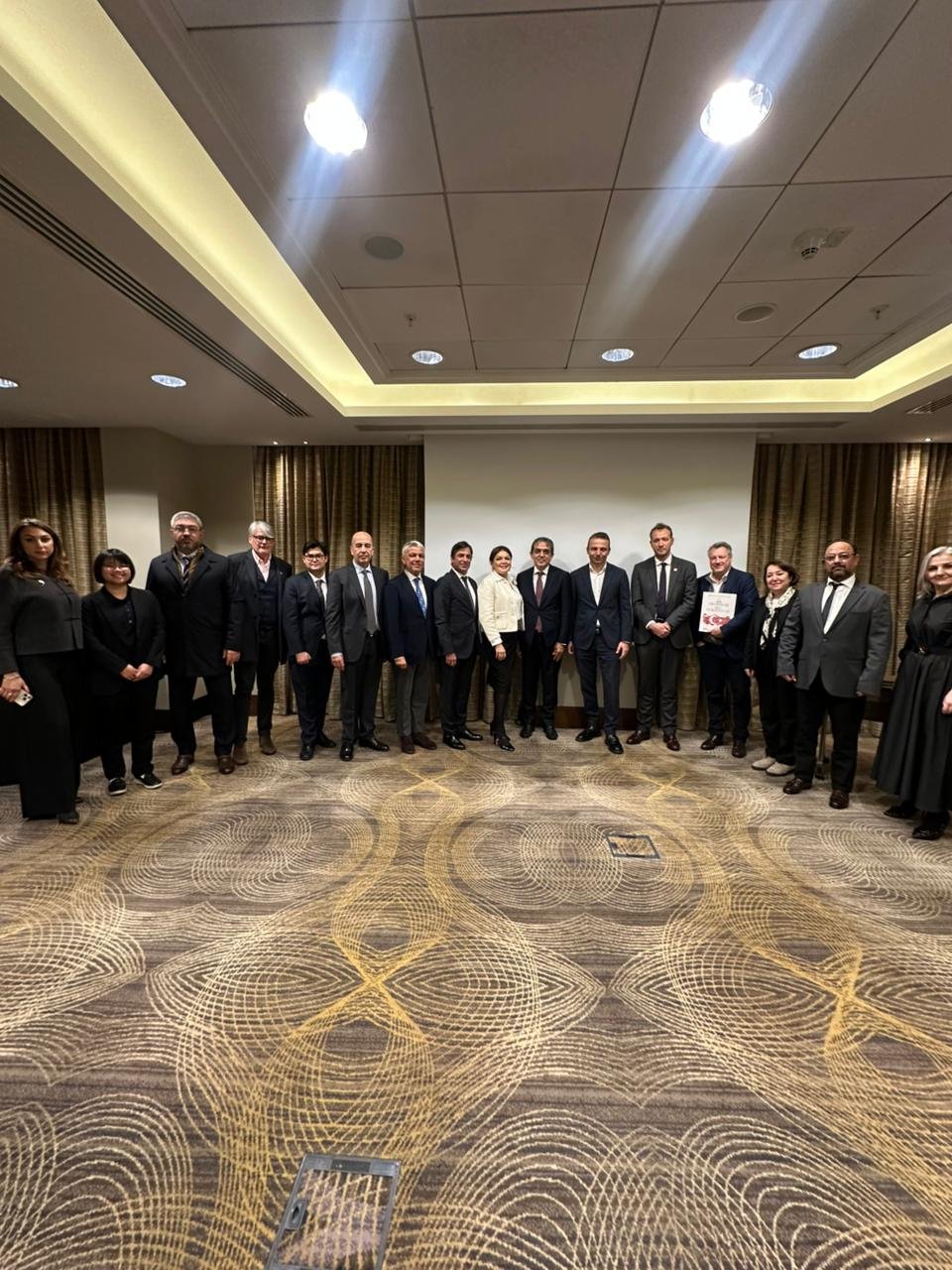
This new phase of cooperation was shaped through a series of institutional dialogues and reciprocal visits. On December 6–8, 2024, a delegation composed of TTEA member companies paid an official visit to Baku. During the visit, a number of bilateral meetings were held with leading textile and apparel manufacturers operating in the Republic of Azerbaijan. The discussions focused on joint production and industrial cooperation, the exchange of technology and management expertise, export-oriented cooperation models, and opportunities for joint access to regional markets.
The parties emphasized that Azerbaijan–Türkiye textile cooperation should not be limited to trade relations alone but should be built on a model based on joint production, value chain integration, and industry-driven collaboration.
As a result of the signed Memorandum and the reciprocal visits, the emerging cooperation framework encompasses the establishment of joint production and industrial cooperation mechanisms, technology and innovation transfer, promotion of export-oriented manufacturing, access to new markets, integration into regional and global value chains, implementation of investment initiatives, and strengthening institutionalized public–private sector dialogue.
In the next phase of cooperation, the parties will continue working on structuring concrete industrial projects, defining investment mechanisms, and developing a joint action plan.